
Prescription Drug Abuse Help
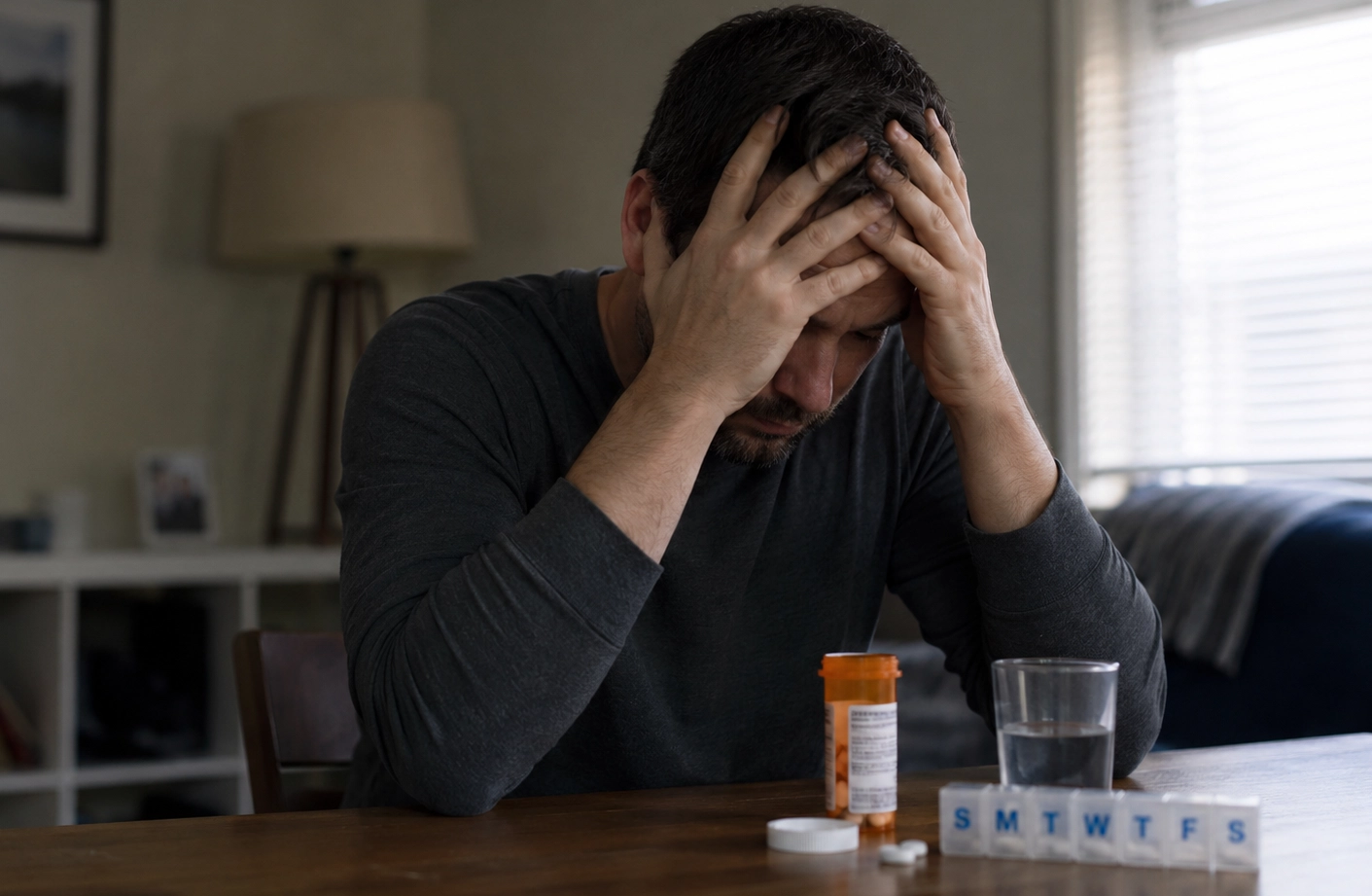
Prescription drug abuse is one of the most misunderstood forms of addiction. Unlike street drugs, prescription medications come from a doctor, are dispensed by a pharmacist, and are often used legitimately before misuse begins. This makes it harder for individuals and families to recognize when a problem has developed, and harder still to ask for help without feeling judged.
Michigan Addiction Help is not a treatment provider. We are an independent referral service that connects individuals and families with prescription drug treatment programs, counseling services, and recovery resources across Michigan. This page explains what prescription drug abuse looks like, why it is difficult to overcome without support, and how to find the right help for your situation.
What Is Prescription Drug Abuse?
The Mayo Clinic identifies three main categories of prescription drugs that are most commonly misused:
- Opioid pain relievers such as oxycodone (OxyContin), hydrocodone (Vicodin), and codeine
- Benzodiazepines and sedatives such as alprazolam (Xanax), diazepam (Valium), and zolpidem (Ambien)
- Stimulants such as amphetamine (Adderall) and methylphenidate (Ritalin)
Each category carries its own risks, withdrawal profile, and treatment considerations. What they share is a pattern of escalating use, growing dependence, and serious consequences when misuse goes unaddressed.
How Common Is Prescription Drug Abuse in Michigan?
The percentage of adults who reported prescription drugs as their primary substance at treatment admission peaked at 15.2% in 2013 in Michigan. Nationally, benzodiazepines are among the most widely prescribed and misused drug categories. A study estimated that 30.6 million adults reported benzodiazepine use in 2015 and 2016, with 2.2% reporting misuse of their prescription. Opioids and benzodiazepines are the two most common classes of prescription drugs involved in overdose deaths.
The National Institute on Drug Abuse (NIDA) and the Substance Abuse and Mental Health Services Administration (SAMHSA) both identify prescription drug misuse as a significant and ongoing public health concern.
The Three Main Types of Prescription Drug Abuse
Opioid Painkillers
Opioid painkillers are prescribed for pain management but carry a high potential for dependence. Many people develop a tolerance over time, requiring higher doses to achieve the same relief. When prescriptions run out or become unavailable, some individuals turn to heroin or illicitly manufactured fentanyl as a substitute. Reduced prescription availability appears to correlate with an increase in heroin usage, with 50.9% of heroin users also having misused prescription opioids. For more information on opioid-specific treatment, see our page on opioid and heroin addiction help in Michigan.
Benzodiazepines and Sedatives
Benzodiazepines such as Xanax, Valium, and Klonopin are prescribed for anxiety, panic disorders, and insomnia. They are highly effective for short-term use but carry a significant risk of dependence when used over longer periods. Long-term misuse of benzodiazepines can lead to confusion, memory problems, and other thinking difficulties. Benzodiazepine withdrawal can be particularly dangerous and even life-threatening, and undergoing medical detox under the direct care of a doctor is generally advised.
Stimulants
Prescription stimulants such as Adderall and Ritalin are prescribed for attention deficit hyperactivity disorder (ADHD) and narcolepsy. They are frequently misused by students and professionals seeking to improve focus or performance. Stimulant misuse can lead to increased heart rate, elevated blood pressure, anxiety, and in cases of heavy use, psychosis. Long-term misuse disrupts the brain’s dopamine system and can make it difficult to feel motivated or experience pleasure without the drug.
Why Prescription Drug Abuse Is Hard to Recognize and Overcome
One of the defining features of prescription drug abuse is how gradually it develops. A person may begin taking medication exactly as prescribed before slowly increasing their dose to manage pain, anxiety, or stress more effectively. By the time dependence has set in, the line between medical use and misuse has blurred in ways that are hard to identify from the inside.
Family members often face the same challenge. Because the medication is legal and prescribed by a doctor, signs of abuse can be dismissed or explained away for months or years. Common signs that prescription drug use has become a problem include running out of medication early, seeking prescriptions from multiple providers, changes in mood or behavior linked to medication use, and continuing to use the drug despite clear negative consequences.
When patients first stop using prescription drugs, they can experience various physical and emotional symptoms including restlessness, sleeplessness, depression, anxiety, and other mental health conditions. These withdrawal symptoms make stopping without professional support extremely difficult, and in some cases medically dangerous.
Withdrawal From Prescription Drugs
Withdrawal varies significantly depending on the type of prescription drug involved.
Opioid withdrawal produces intense physical discomfort including muscle aches, nausea, vomiting, sweating, and severe anxiety. While opioid withdrawal is rarely life-threatening, the intensity of symptoms is a leading reason people return to use before completing detoxification.
Benzodiazepine withdrawal is among the most medically serious of any substance. Withdrawal symptoms from benzodiazepines can include anxiety, depressed mood, sleep disturbance, tremor, shakiness, muscular aches, and headache. Benzodiazepine dependence and withdrawal have been associated with suicide and self-harming behaviors, especially in young people. Medical supervision during benzodiazepine withdrawal is strongly advised and in many cases essential.
Stimulant withdrawal does not carry the same physical dangers but produces significant psychological symptoms including severe depression, fatigue, and strong drug cravings that can persist for weeks.
Important: Anyone who has been using prescription drugs regularly, particularly opioids or benzodiazepines, should consult a medical professional before stopping. Do not attempt to stop abruptly without medical guidance.

What Prescription Drug Treatment in Michigan Looks Like
Treatment for prescription drug abuse depends on the type of drug involved and the severity of dependence. Michigan has a range of programs and services designed to address different levels of need.
- Medically supervised detoxification, particularly important for opioid and benzodiazepine dependence
- Inpatient and residential treatment programs offering structured, round-the-clock support
- Outpatient and intensive outpatient programs (IOP) for those who cannot commit to a residential setting
- Medication-assisted treatment for opioid use disorder, including buprenorphine, methadone, and naltrexone
- Individual and group counseling using evidence-based behavioral therapies
- Dual-diagnosis programs for those with co-occurring mental health conditions
- Aftercare and relapse prevention planning to support long-term recovery
Many Michigan programs accept Medicaid, Medicare, and private insurance. State-funded options are available for those without coverage. We can help you identify what is available based on your location and situation.
Medications Used to Treat Prescription Drug Addiction
For benzodiazepine dependence, treatment typically involves a gradual tapering of the drug under medical supervision rather than abrupt cessation. There is no FDA-approved medication specifically for benzodiazepine use disorder, making medical oversight and behavioral therapy the primary tools for recovery.
For stimulant misuse, no FDA-approved medication currently exists. Treatment focuses on behavioral therapies, counseling, and building coping skills to manage cravings and underlying conditions such as ADHD without misusing stimulant medications.
For more information on treatment approaches, see NIDA’s prescription drug addiction treatment overview.
Prescription Drug Abuse and Mental Health
Co-occurring conditions are common among people seeking treatment for prescription drug abuse. Programs that treat both addiction and mental health simultaneously, known as dual-diagnosis programs, produce better long-term outcomes than those addressing only one condition. If you or someone you love is managing both prescription drug misuse and a mental health condition, it is worth specifically seeking out integrated care. For more information, see our page on co-occurring mental health and addiction help in Michigan.
Warning Signs to Watch For
Because prescription drug abuse often begins with legitimate medical use, it can be difficult for family members to identify when things have shifted. The following signs suggest that prescription drug use may have developed into a problem worth addressing:
- Running out of medication before the prescription is due for refill
- Visiting multiple doctors to obtain additional prescriptions
- Changes in mood, energy, or behavior that track closely with medication use
- Taking higher doses than prescribed or using a family member’s medication
- Becoming defensive or secretive when the subject of medication is raised
- Declining performance at work or school linked to medication use
- Continuing to use the medication despite clear negative consequences
If several of these signs are present, professional guidance is worth seeking. A family member does not need to wait for a clear crisis before reaching out for information.
Prescription Drug Abuse in Young People
Prescription drug misuse is particularly common among young people. Stimulants such as Adderall are frequently misused by high school and college students seeking academic performance advantages. Opioid painkillers are often accessed through family medicine cabinets. Benzodiazepines are misused for their calming and euphoric effects, sometimes in combination with alcohol, which significantly increases overdose risk.
Young people face unique barriers to seeking help, including fear of academic or legal consequences, reluctance to involve parents, and a general perception that prescription drugs are safer than street drugs because they come from a pharmacy. Treatment programs that specialize in younger adults understand these barriers and approach care accordingly. We can help identify Michigan programs equipped to work with young people when you reach out.
How We Help
Michigan Addiction Help is not a treatment provider. We are an independent referral service that connects individuals and families across Michigan with the right prescription drug treatment programs, counseling services, and recovery resources for their specific situation.
When you fill out our form, someone from our team will respond by email within 24 hours. We will help you understand what treatment options are available near you, what your insurance may cover, and what the right next step looks like. There is no cost, no pressure, and no obligation.
Ready to Find Help in Michigan?
Prescription drug abuse is treatable. With the right support in place, recovery is possible regardless of how long the misuse has been going on or what has been tried before. Fill out our form and someone from our team will respond within 24 hours with information specific to your situation. Free, confidential, and no obligation.
Frequently Asked Questions About Prescription Drug Abuse
Q: Is prescription drug abuse the same as drug addiction?
Q: Can someone become addicted to a medication their doctor prescribed?
Q: Is it safe to stop taking prescription drugs on your own?
Q: What should I do if I think a family member is misusing prescription drugs?
Q: Are there treatment options for benzodiazepine addiction specifically?
Q: Does insurance cover prescription drug treatment in Michigan?
Q: What is the connection between prescription opioids and heroin?
Q: Are there free or low-cost prescription drug treatment options in Michigan?
A: Yes. Michigan funds substance use disorder treatment through its Community Mental Health system, and many programs serve individuals regardless of their ability to pay. Medicaid covers a broad range of treatment services. We can help identify low-cost and no-cost options when you reach out.
Q: What does recovery look like after prescription drug treatment?
Find Support for Prescription Drug AbuseRead Our Blog


You Are Not Alone. Let Us Help You
Fill out the short form here and someone from our team will reach out within 24 hours. One small step is all it takes.
What happens when I fill out the form?
You tell us your name, your email, and a little about what is going on with prescription drug use, whether it is your own situation or someone you care about. We will email you back within 24 hours with information about treatment programs in Michigan that may be a good fit. We are not here to push you toward any particular program or provider. Our job is to give you clear, honest information so you can make a decision that feels right for your situation.
Is what I share kept private?
Completely. Prescription drug misuse carries its own particular stigma, especially when it begins with a legitimate prescription. We understand the sensitivity of that. Nothing you share will be passed to employers, family members, insurers, or anyone else. We collect your name and email for one purpose only: to respond to your message. What you tell us about your situation stays between us.
What if I am not sure the prescription drug use is serious enough to need help?
Many people who reach out are not sure. Prescription drug misuse often feels different from what people imagine addiction looks like, particularly when it started with a valid prescription. There is no level of severity required before asking a question. If medication use is affecting your health, your relationships, your work, or your sense of control over your own choices, that is reason enough to want more information. Asking does not mean committing to anything.